A New Home for Remote Work in Gloucester: Inside Patch
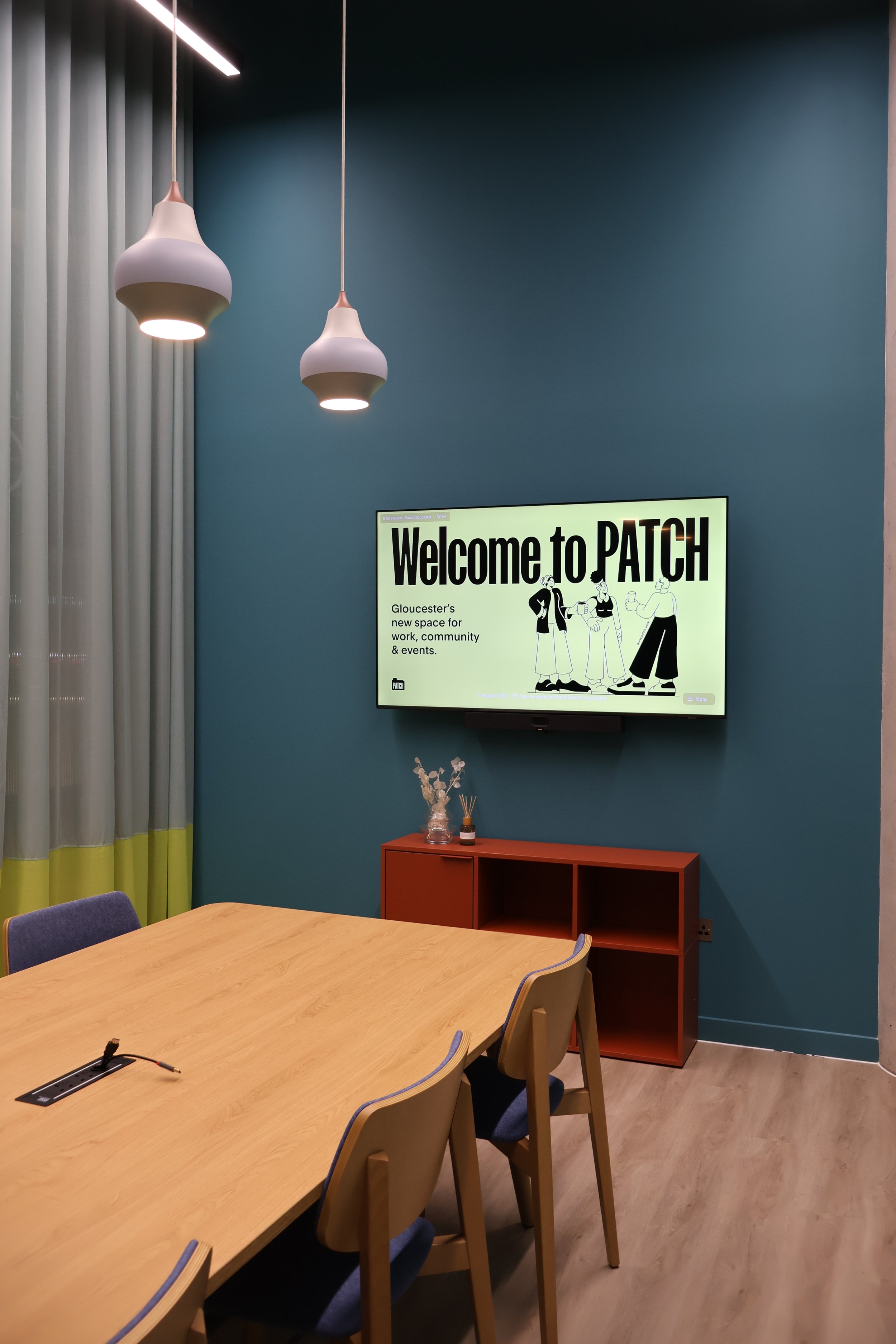
Remote workers in Gloucester have long been used to improvising.
For years, freelancers, founders, and employees working from home have rotated between kitchen tables, spare rooms, and whatever café would tolerate a laptop for the afternoon, whilst those craving a more professional environment often found themselves boarding trains to larger cities in search of community, decent Wi-Fi, and somewhere designed with modern work in mind.
Gloucester has never lacked talent or ambition, but it has sometimes lacked the spaces that make people feel they can build serious things without leaving.
This week, that began to change.
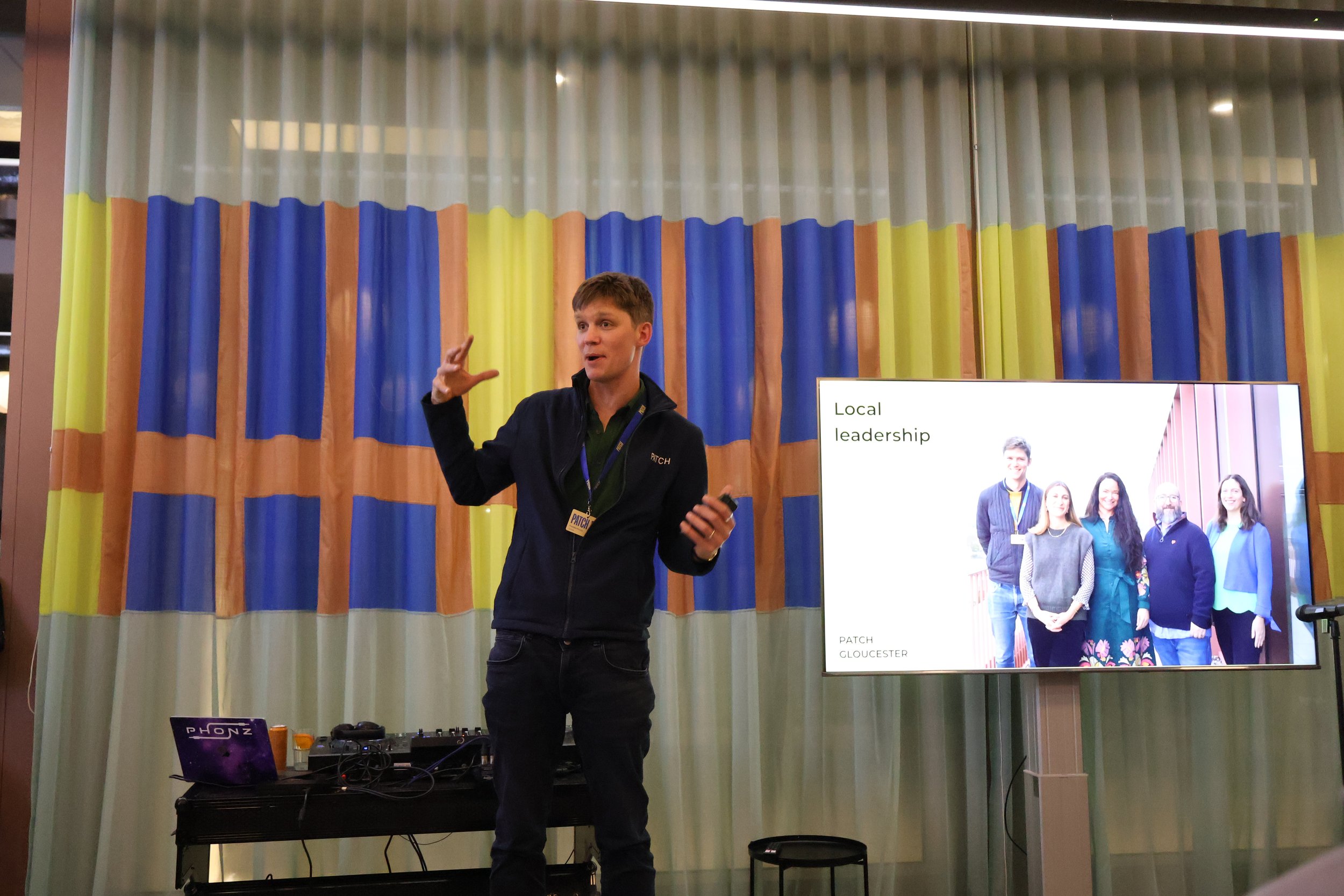
On the 12th February I stepped into Patch for its opening evening and was immediately struck not only by the scale of the place, but by the atmosphere inside it. There was conversation, curiosity, and a sense of people trying to picture themselves here in the weeks and months to come.
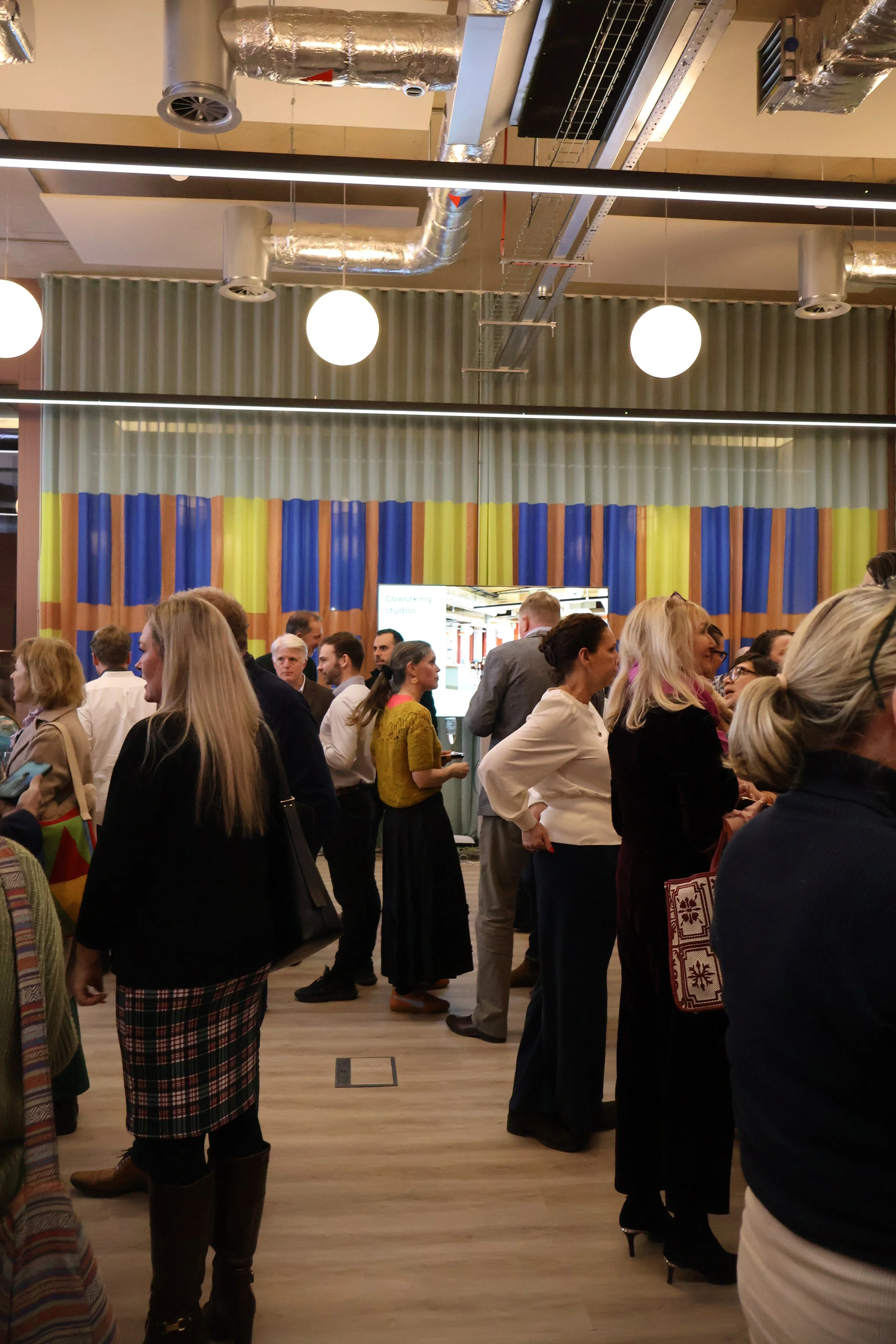
With a glass in hand and local business owners, creatives and remote workers moving from room to room, opening doors, testing chairs and admiring the huge windows, it didn’t feel like a corporate launch, more like a statement of intent for the city.
Patch sits at The Forum, a development that has quickly become shorthand for Gloucester’s future, only a few steps from Kings Square and close to the new university campus. The positioning is deliberate.
Founder Freddie Fforde told me that he has frequently been asked the same question: why Gloucester?
His answer is disarmingly simple. Why not? It has the space and it has the need.
Fforde is clear that Patch is not interested in retreating to out-of-town business parks or industrial estates. The whole point, he explained, is to be visible, to face the high street, to contribute to the daily life of a place and in doing so help bring energy back into town centres that have seen too many reasons for people to stay away. Big cities, he said, already have opportunity in abundance. What excites him is creating it somewhere else.
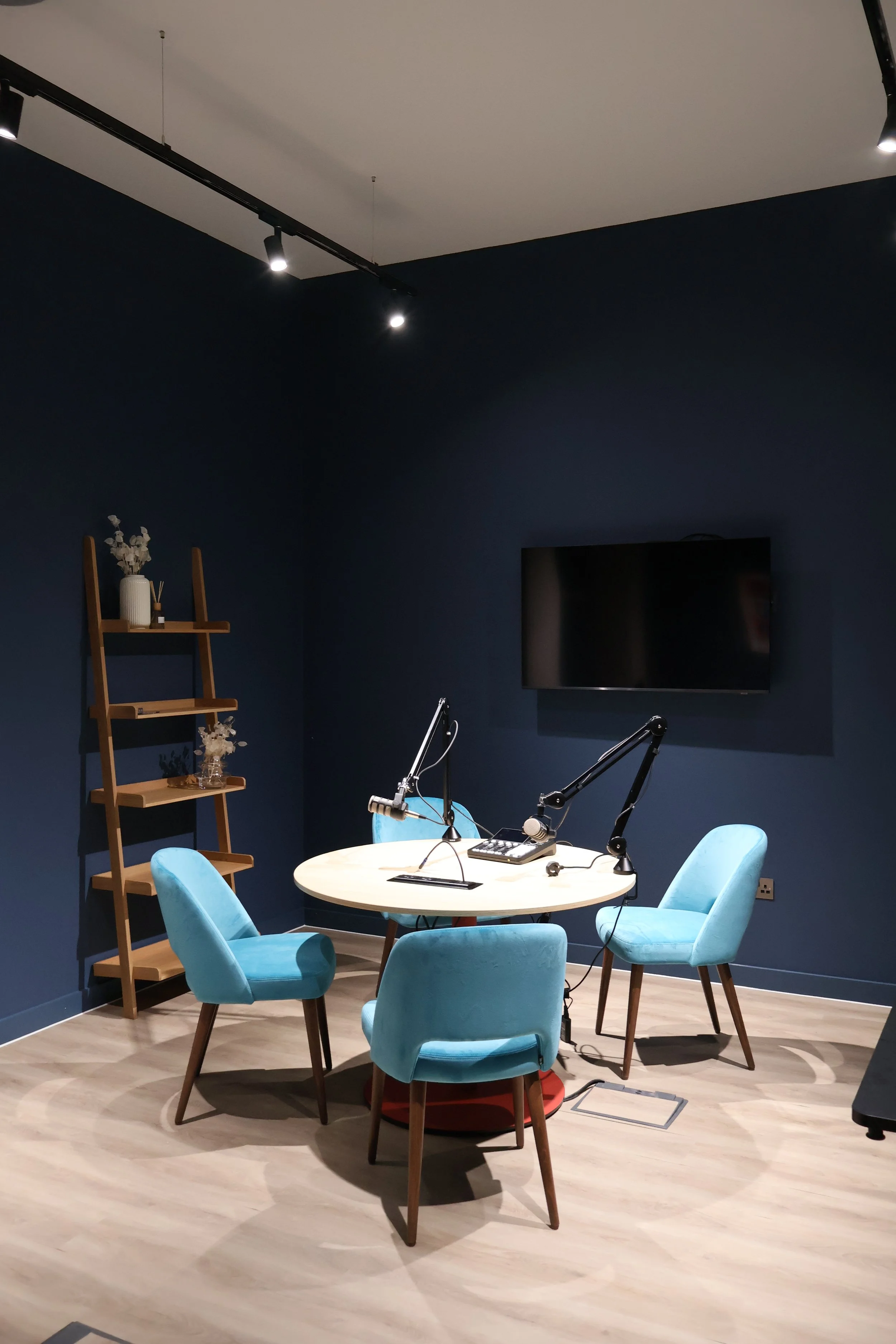
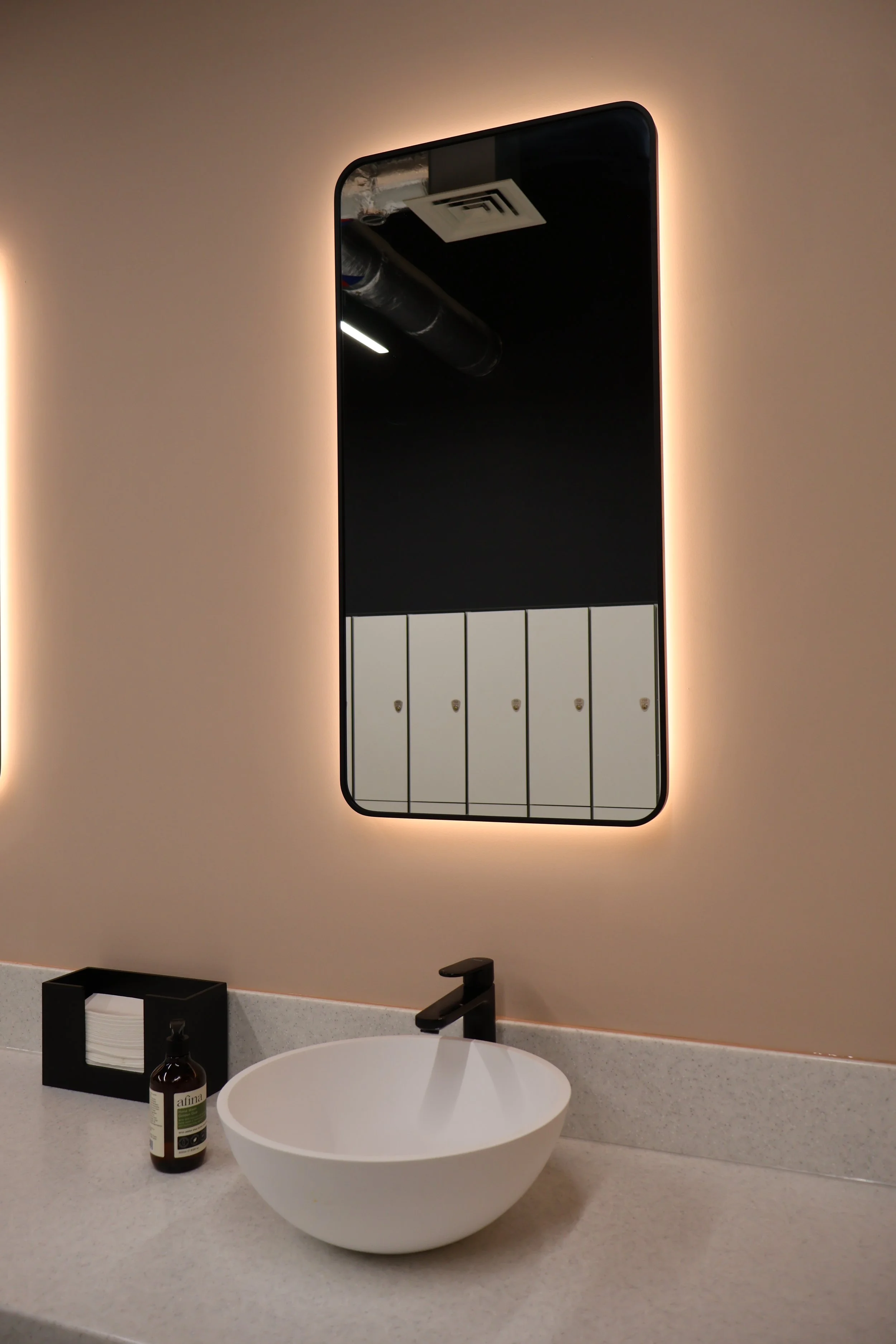
Walking through the building, it is easy to see how that ambition translates into physical space. There are desks arranged in productive zones for people who want quiet focus, comfortable lounges and breakout areas for informal conversations, booths for private calls, glass-fronted meeting rooms, larger boardrooms, and a creative studio already configured for recording podcasts or producing content.
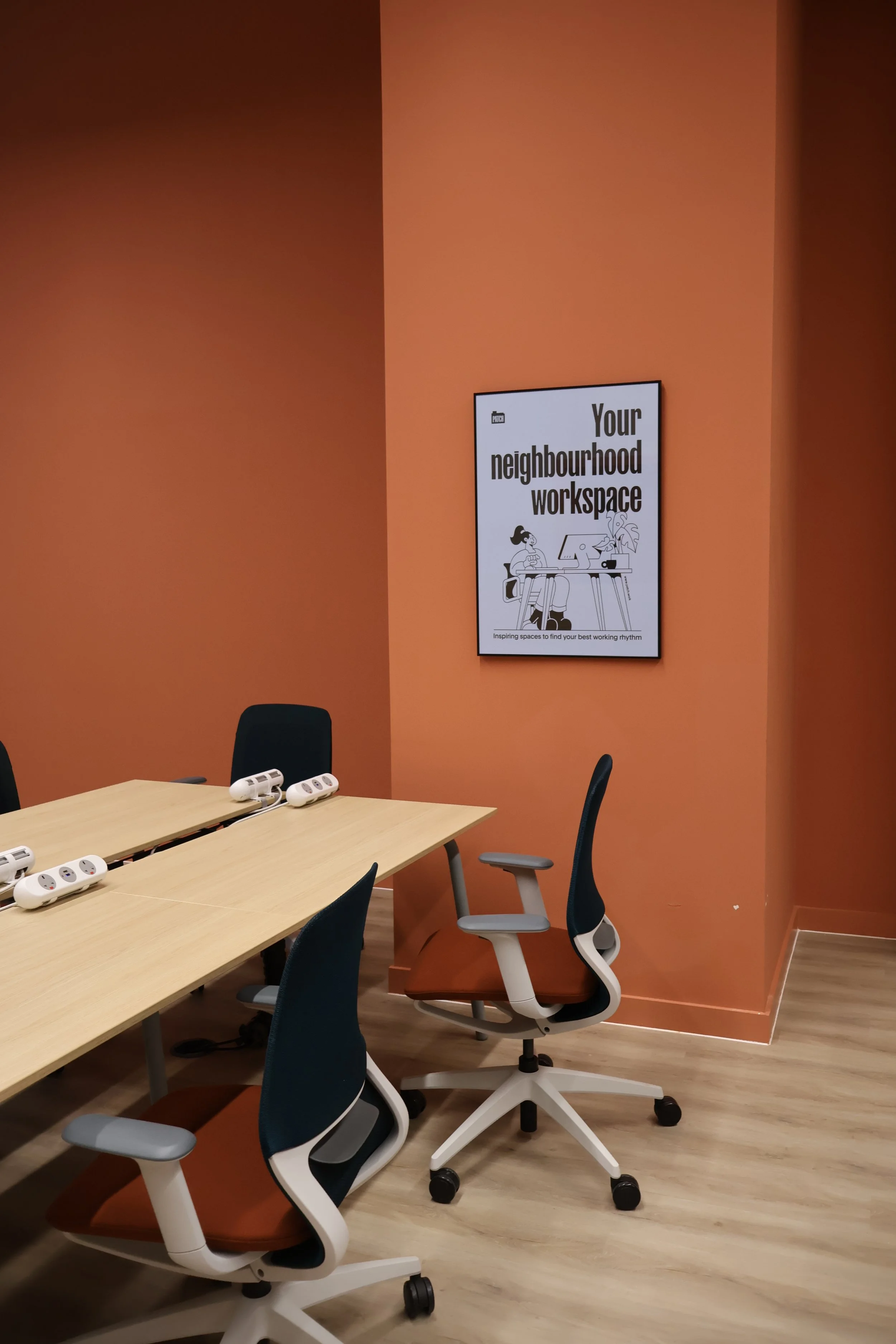
Ergonomic chairs are standard, charging points are at every desk, and in several spots second screens wait to be plugged into. The design is contemporary without feeling cold, with plenty of natural light and clean lines that make you want to sit down and begin.
The practicalities are equally thought through. High-speed secure Wi-Fi, showers and cycle storage, bean-to-cup coffee, seven-day access, free printing, a friendly on-site team, regular events, and a dog-friendly policy are all included within memberships.
Meeting rooms can be booked by the hour, opening the doors to everything from board meetings and startup gatherings to writing workshops or yoga sessions. Patch is, in other words, attempting to provide not just somewhere to work, but an infrastructure around the act of working that makes staying in Gloucester feel viable for people who might once have assumed they needed to relocate.
Fforde described these spaces as places for serious work that are also the most fun, and that balance seemed evident on opening night. Guests drifted between conversations while trays of canapés circulated from Roots + Seeds, the Gloucester Food Dock favourite providing a reminder that supporting local enterprise is woven into the wider picture. If hundreds of people begin spending their days in this building, they will buy lunch nearby, meet clients locally, and stay in town after hours. Regeneration, in that sense, is not an abstract promise but a series of everyday habits.
Patch is the company’s sixth site in the UK, part of a growing network aimed at giving entrepreneurs and innovators professional homes in places that have historically been overlooked.
Gloucester, with its improving transport links, emerging startup culture and strong university presence, is ready to make a convincing case for itself. What it has sometimes needed is confidence, both from investors and from residents, that it can be somewhere people choose to build rather than somewhere they pass through.
For me, this story carries an extra weight because Gloucester is home to me. I grew up here, left and returned countless times, and have watched the city navigate the complicated business of reinvention with varying degrees of optimism and frustration.
To stand in a building like this, full of people imagining futures for themselves that do not automatically involve departure, felt unexpectedly emotional. It suggested that the narrative might be shifting, that professional community, modern infrastructure and ambitious thinking are not luxuries reserved for larger urban centres.
Patch Gloucester is now open, and the team is offering free trial days for anyone curious enough to see whether it could become part of their routine. It is an invitation not only to try a desk, but to reconsider what might be possible within the city limits.
Gloucester may just have found the workspace it has been waiting for.